
Establishing an Evidence-Based Framework for Equine Welfare
To ensure that competitive horse riding operates ethically, should the FEI build its welfare policies on indisputable scientific evidence rather than tradition or perception?
Kerrie Bellett
2/26/20262 min read
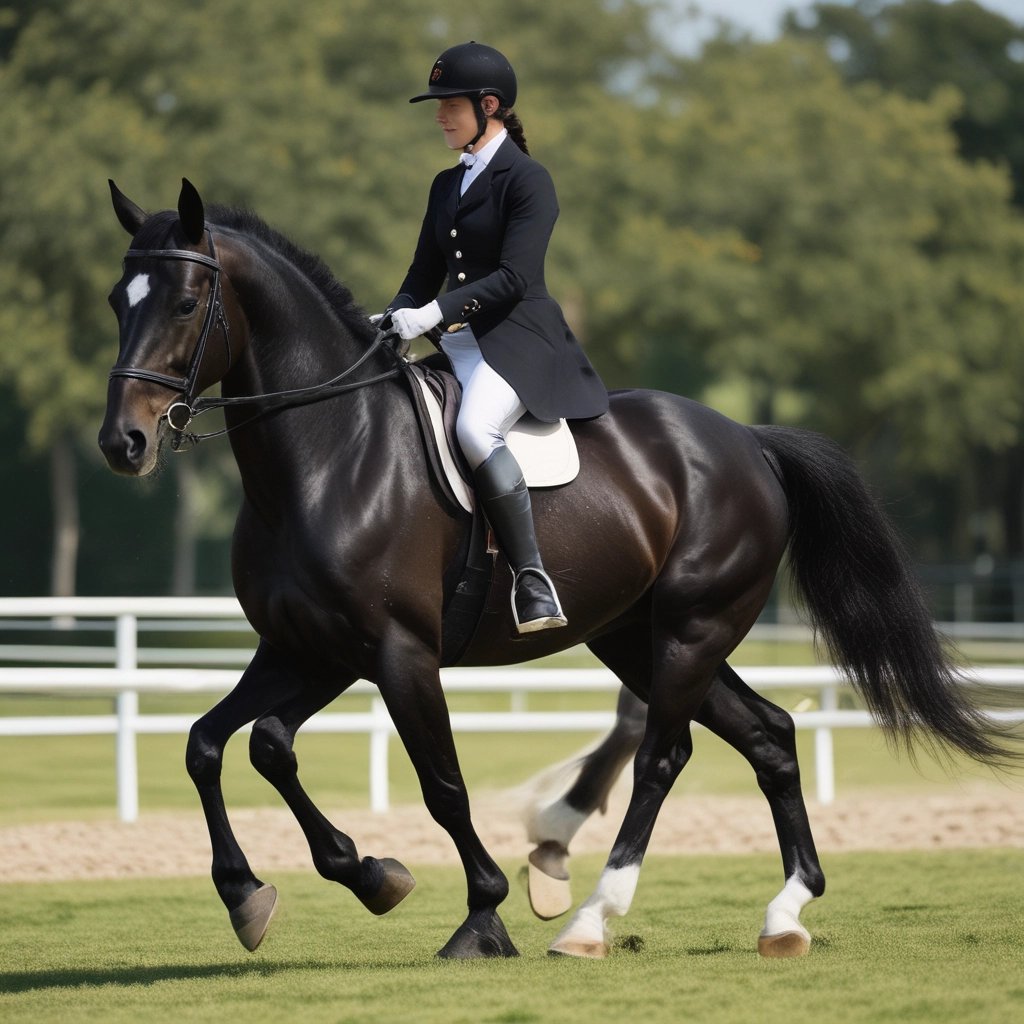
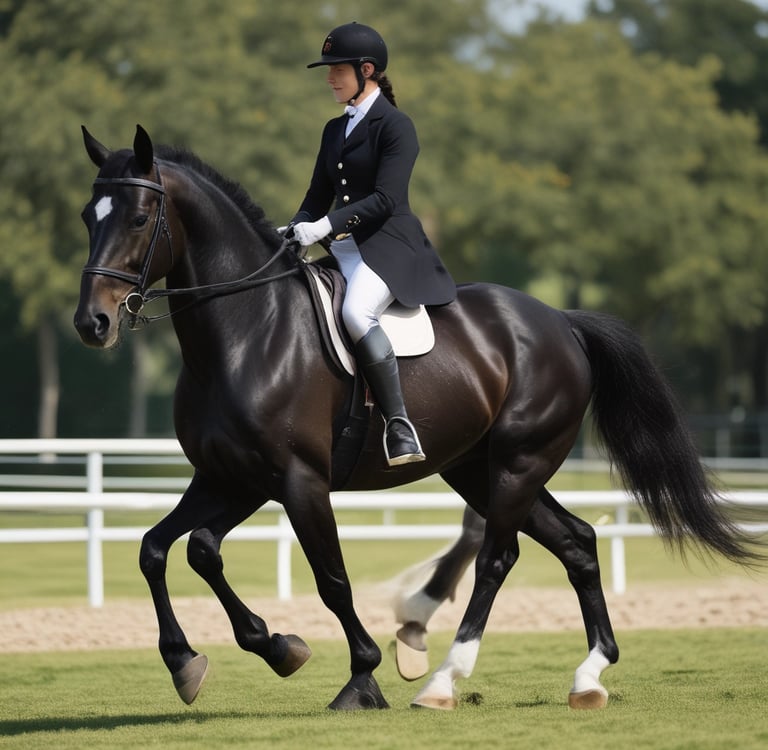
Competitive horse riding is increasingly facing a difficult question: does the sport still hold its social licence to operate? Public scrutiny around training practices is growing, and acceptance of the sport can no longer be assumed. As the international governing body, the Fédération Équestre Internationale (FEI) carries the responsibility not only of regulating competition but of maintaining public confidence that horses are treated ethically and that welfare comes before performance.
Yet many inside and outside the sport are beginning to question whether that assurance still feels convincing. If welfare is truly the priority, why do controversial practices continue to appear at elite levels? Maintaining trust now requires more than statements of intent. It requires visible action — building rules grounded in evidence, reforming judging practices that reward harmful riding, and reconsidering equipment regulations, including the continued prohibition of bitless bridles.
At the heart of ethical sport must be evidence. The FEI’s Code of Conduct clearly states that horse welfare should never be subordinated to competition. On paper, this is a strong commitment. In reality, however, many observers see a widening gap between policy and what happens in the arena. The highly publicised suspension of Olympic rider Charlotte Dujardin in 2024, following footage of excessive whipping, demonstrated how quickly traditional training methods can become public welfare controversies. While penalties were issued, the incident raised a broader question: are reactive punishments enough to maintain trust, or is a bigger structural change needed?
This was not an isolated moment. Social media has amplified the visibility of training methods that many viewers perceive as excessive, placing the sport under constant public observation. Research and industry discussion increasingly suggest that some accepted practices remain rooted more in tradition than in scientific understanding. Even within the sport, confusion around welfare regulations and inconsistent application of welfare indicators has limited their effectiveness, leaving riders, judges, and audiences unsure where the true boundaries lie.
Before meaningful reform can occur, however, the sport must confront a more fundamental issue: what does “welfare” actually mean in a competitive environment? The FEI has introduced concepts such as the “Happy Athlete,” intended to describe a horse working in physical and mental harmony. While well-intentioned, definitions like this can feel vague, leaving too much room for subjective interpretation rather than providing clear behavioural standards.
Many welfare researchers argue that clarity begins with observable signs from the horse itself. Conflict behaviours, such as persistent tail swishing, head tossing, resistance in the contact, or more serious reactions like bucking or rearing, are widely recognised indicators that a horse may be experiencing stress or discomfort. When these behaviours appear regularly in competition, it raises an uncomfortable but necessary question: are performance expectations sometimes pushing horses beyond acceptable limits?
Until the FEI clearly defines what welfare looks like in practice, the sport lacks a stable foundation on which legitimacy can rest. Ambiguity does more than create internal disagreement; it risks weakening public trust altogether. Without clear, evidence-based standards that guide both rules and judging, equestrian sport risks losing the very social licence that allows it to exist.
Join the conversation beyond this article. Click the link below and join the ongoing discussion on Threads to be part of the conversation.
The
Equestrian
Manifest
Contact
admin@equestrianmanifest.com
0417 340 409
© 2024. All rights reserved.