
Learning Resouces
Helping you along your equine journey with expert tips
Dynamic Mobilisation Exercise
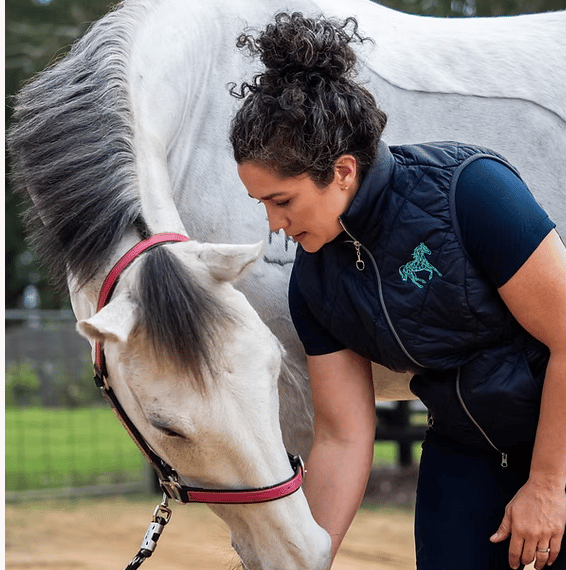
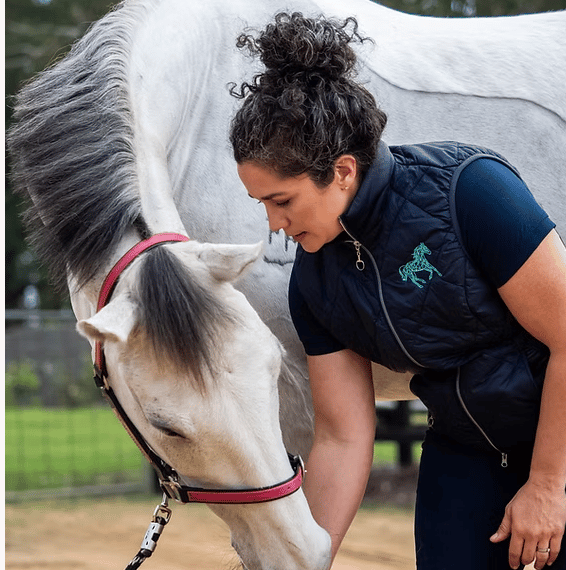
These exercises can be used to activate the deep stabilising muscles of the spine pre-work, improve neuromuscular control and support postural strength before loading. Post-work, these exercises stretch and improve the range of motion.
In performance horses, small deficits in spinal stability often precede resistance or reduced output. Ensuring our horses have a supple and healthy spine will enhance overall movement.
Always check what your horse is capable of achieving with a body work or veterinary professional.
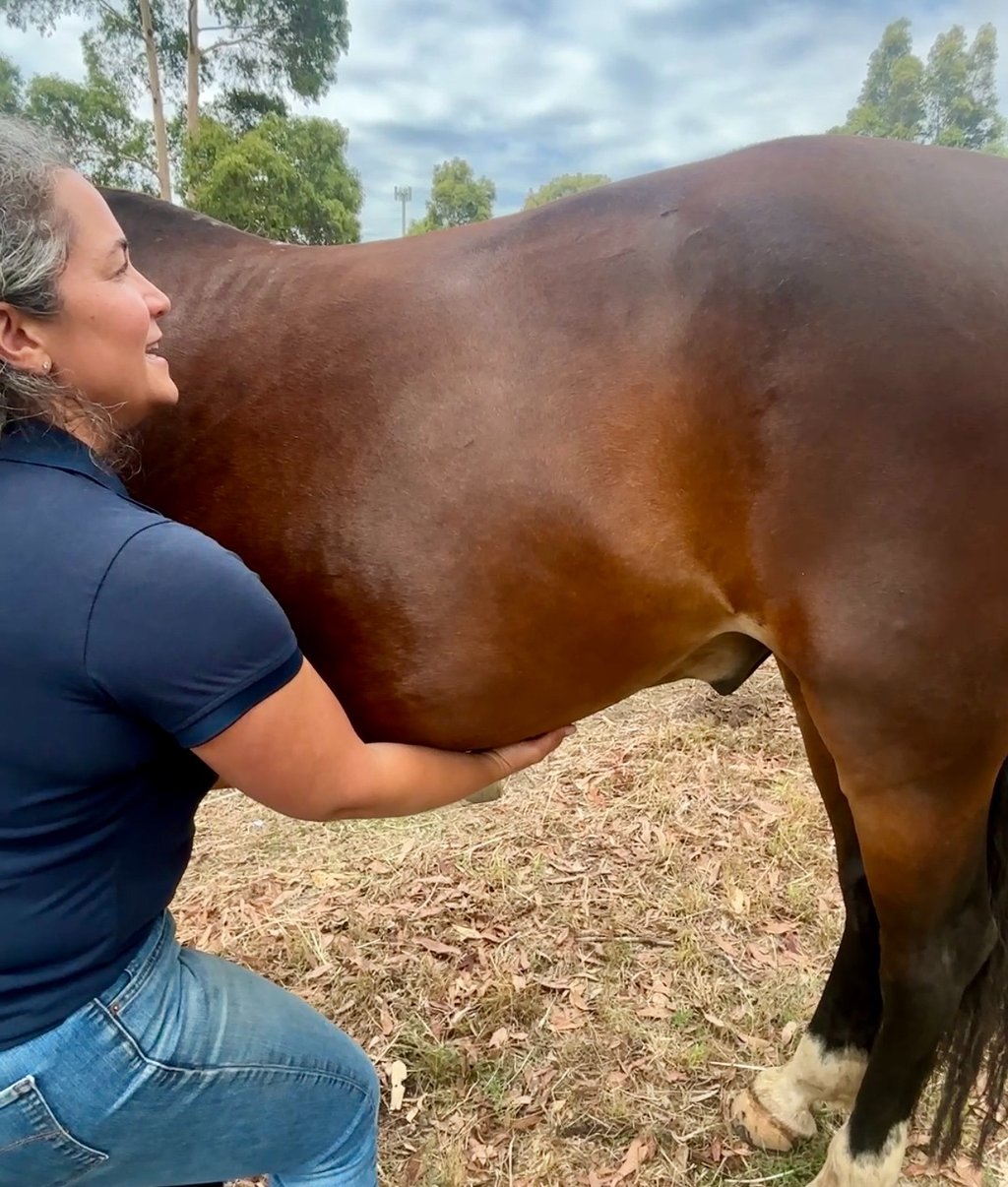
Build a stronger core and top-line
Forelimb Mobilisation
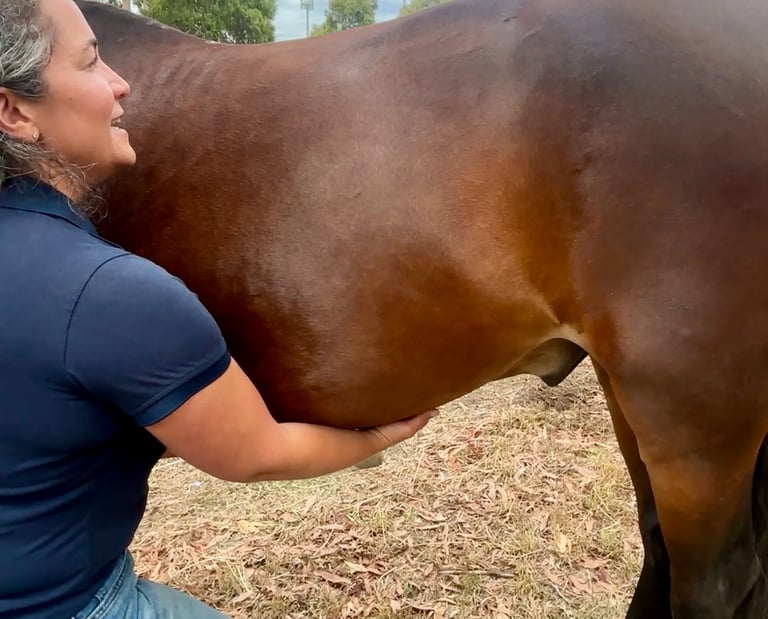
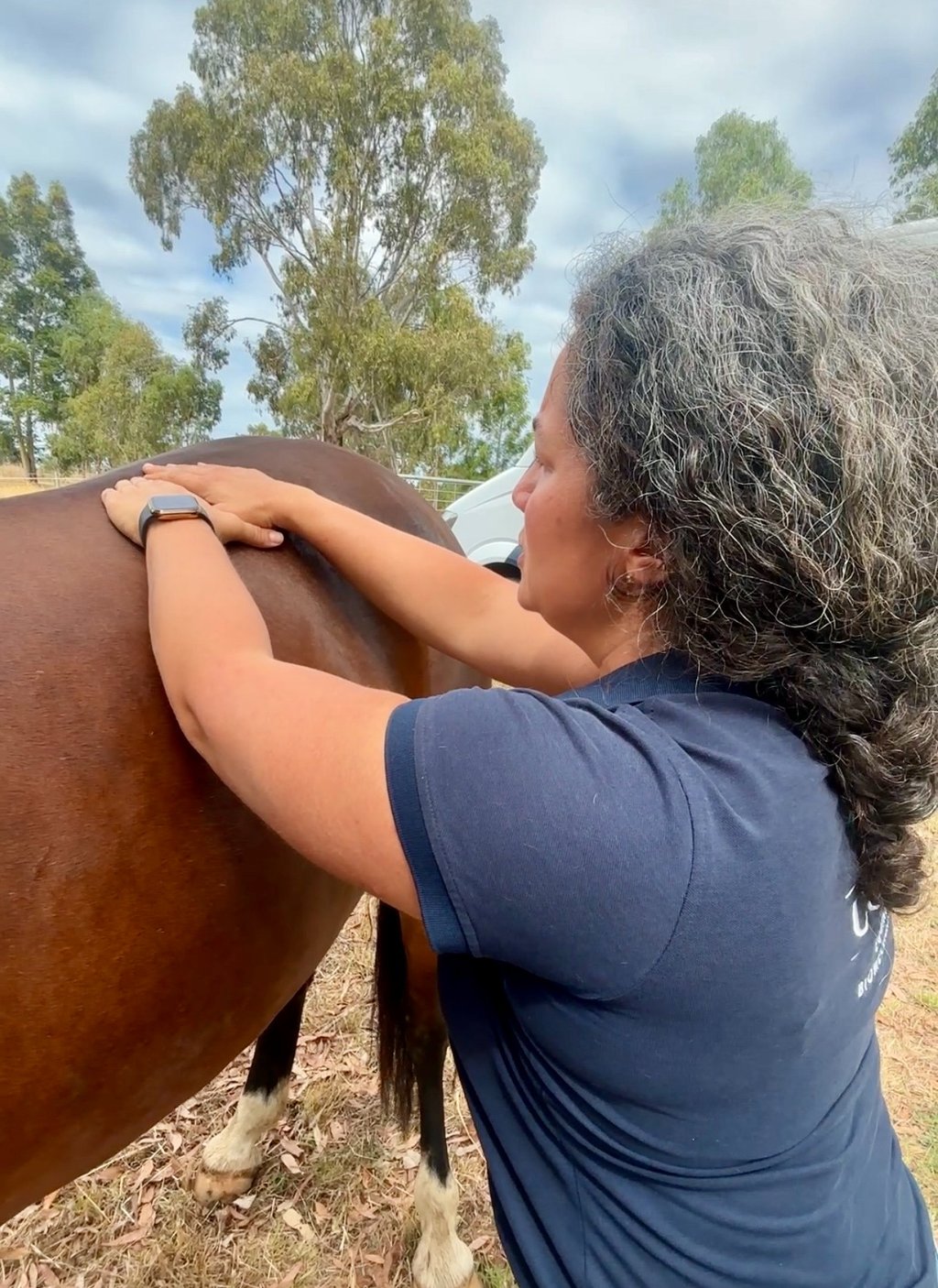
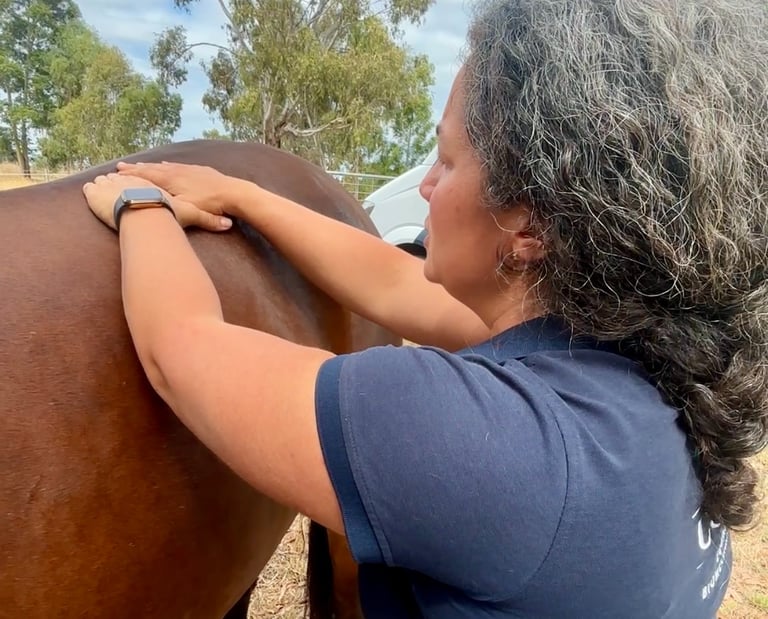
Abdominal belly lifts are a simple, effective way to activate the core before work.
By running your fingers forward along the midline of the abdomen towards the sternum, you stimulate the cutaneous reflex via the hair follicles, encouraging the abdominal musculature to contract and the thoracolumbar spine to lift.
Used pre-exercise, this primes the deep stabilising system, including the abdominals and paraspinal muscles, supporting the back before loading under saddle.
If your horse shows marked discomfort, defensiveness, or attempts to move away during the exercise, pause and consult your equine veterinarian or qualified therapist before continuing.
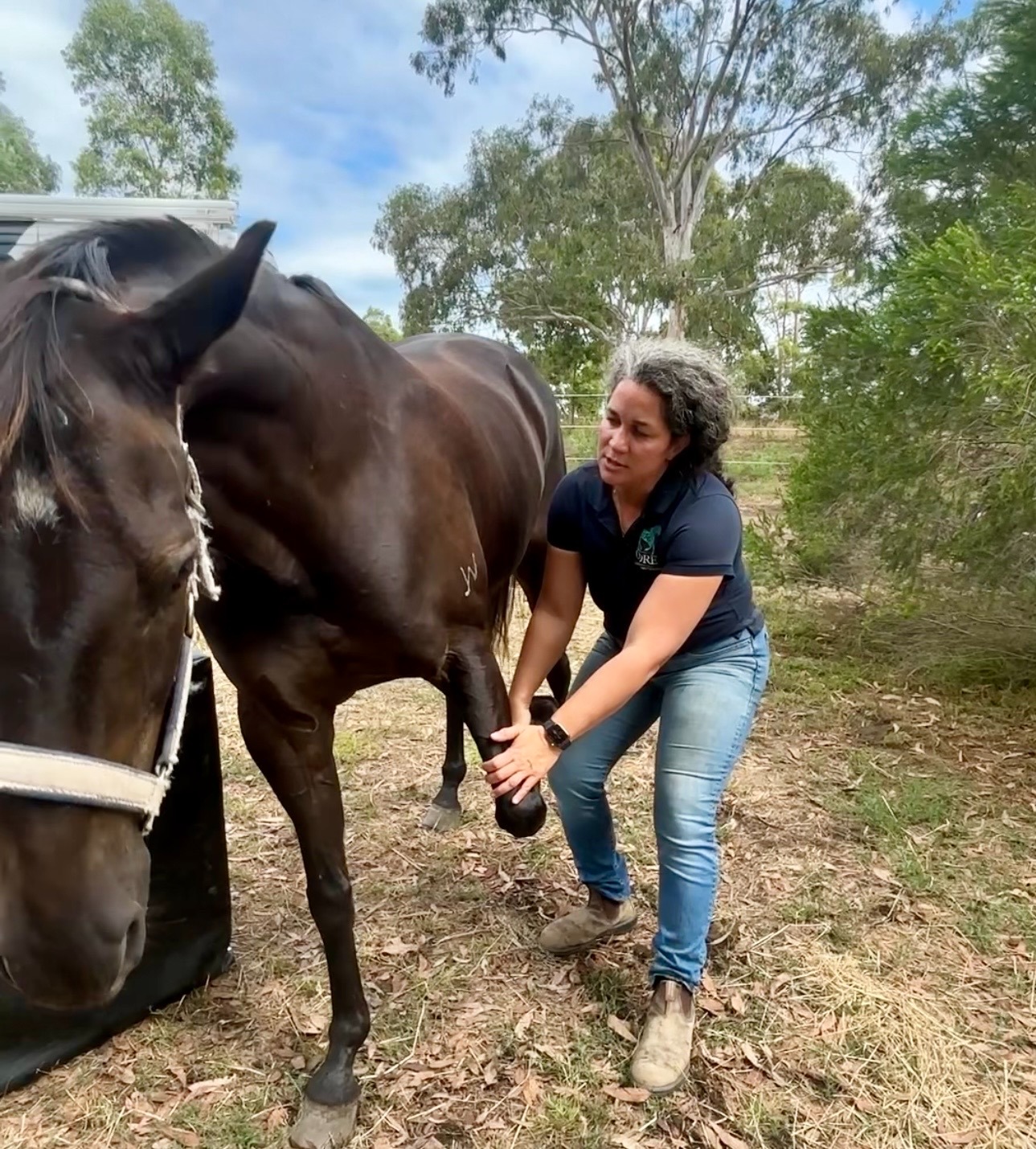
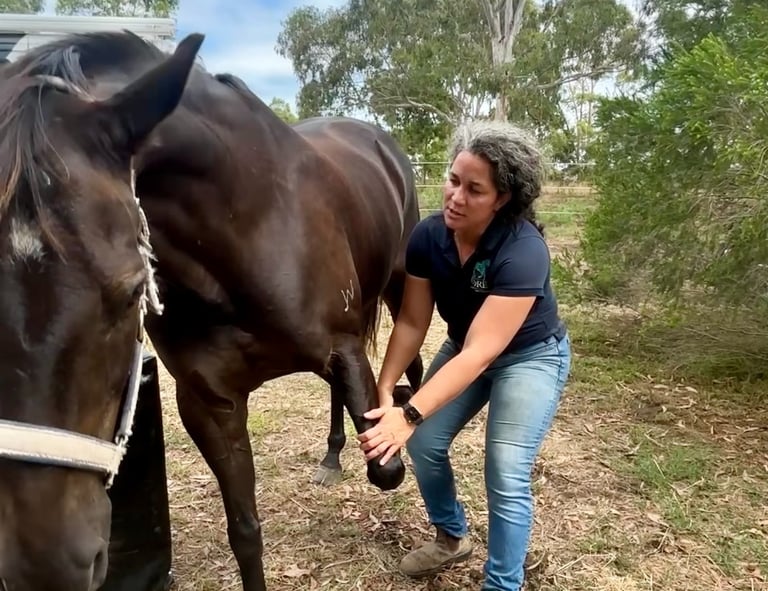
Post-work stiffness often sits in the shoulder and thoracic sling. Controlled forelimb mobilisation can assist in settling residual tension through these load-sharing structures.
Bringing the limb forward into protraction lengthens the pectorals, latissimus dorsi and triceps, muscles that absorb and transfer force during locomotion.
Taking the limb back into retraction influences brachiocephalicus and omotransversarius, supporting normal shoulder excursion and cervical-shoulder integration.
The limb should be guided through range, then held for 20 to 30 seconds if the horse remains relaxed and compliant.
Hindlimb Mobilisation
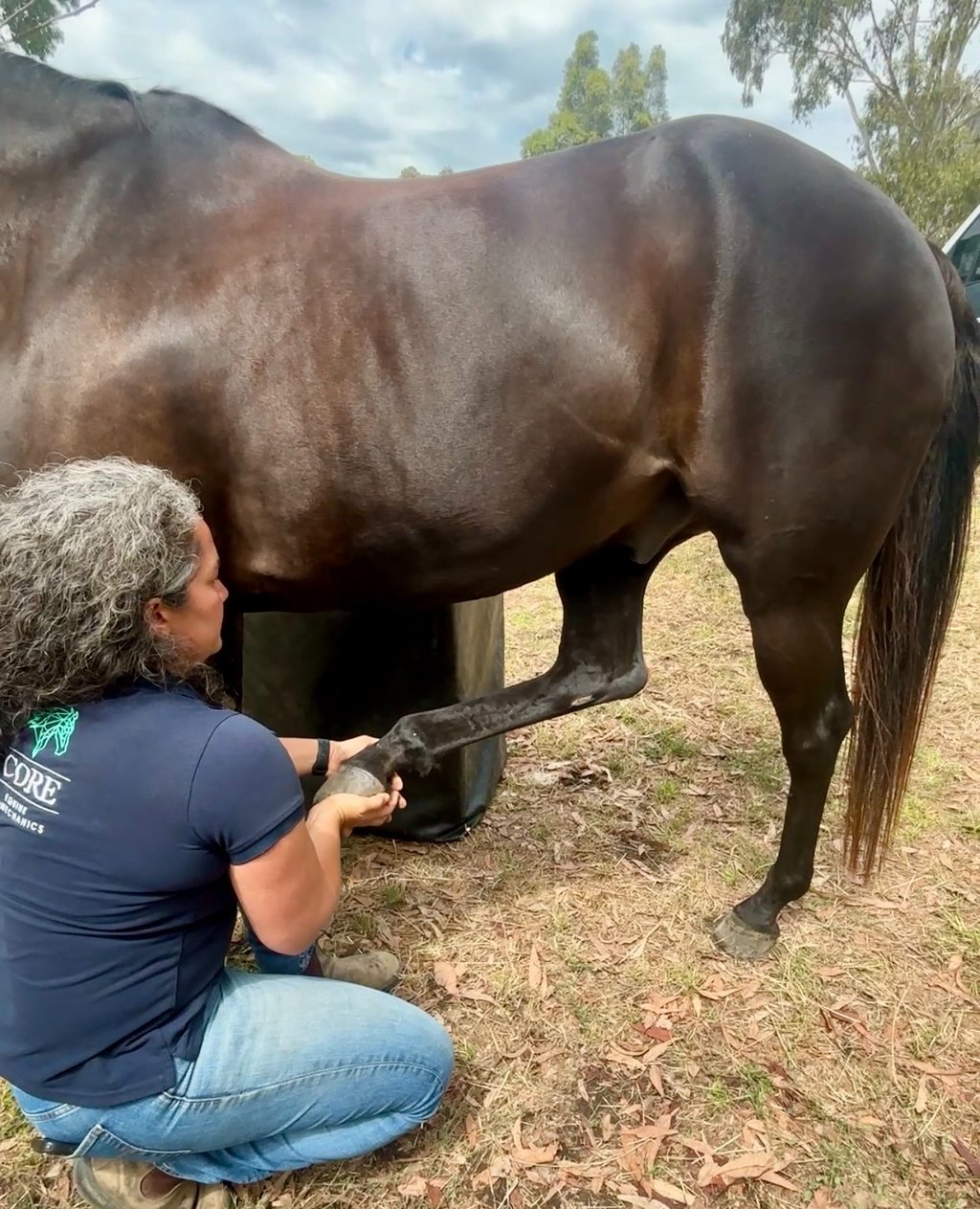
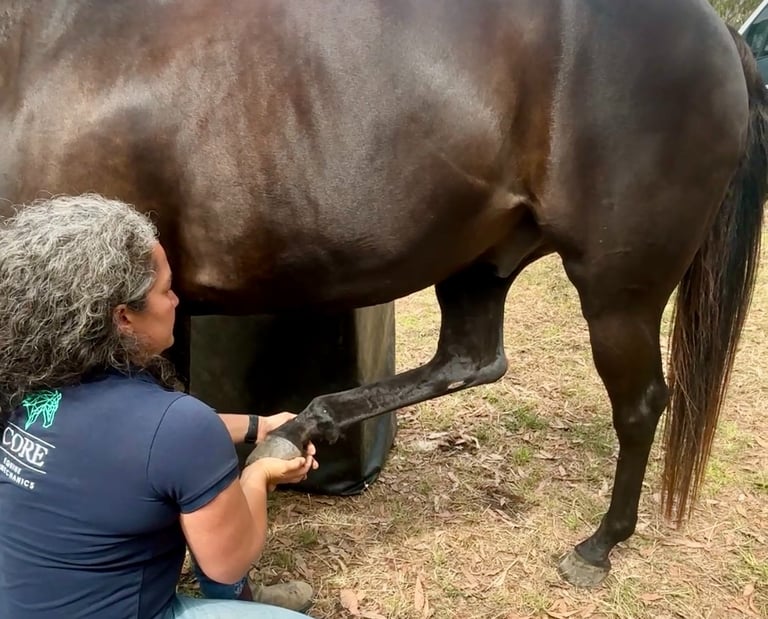
Hindlimb protraction and retraction, thoughtful application
The hindlimb drives propulsion. It also carries tension.
Post-work mobilisation can assist in restoring normal muscle length following load.
Bringing the limb forward into protraction lengthens the gluteal musculature and hamstring group, biceps femoris, semitendinosus and semimembranosus, all heavily engaged during push-off.
Taking the limb back into retraction influences iliopsoas, tensor fasciae latae and quadriceps, contributing to hip extension mechanics.
Stretches can be held for 20 to 30 seconds where tolerated, maintaining calm, controlled handling throughout.
With hindlimb retraction, ensure safe positioning beside the horse rather than directly behind. If there is uncertainty regarding behaviour or comfort, seek professional guidance first.
Mobility work complements conditioning programmes and supports long-term musculoskeletal function.
Coming Soon
Getting to know what your horses muscle should feel like through massage
The
Equestrian
Manifest
Contact
admin@equestrianmanifest.com
0417 340 409
© 2024. All rights reserved.