
The Case for Bitless Bridles in Competitive Dressage
Innovations like the bitless bridle offer a tangible opportunity for the FEI to demonstrate that welfare takes precedence over tradition in dressage.
Kerrie Bellett
2/24/20263 min read
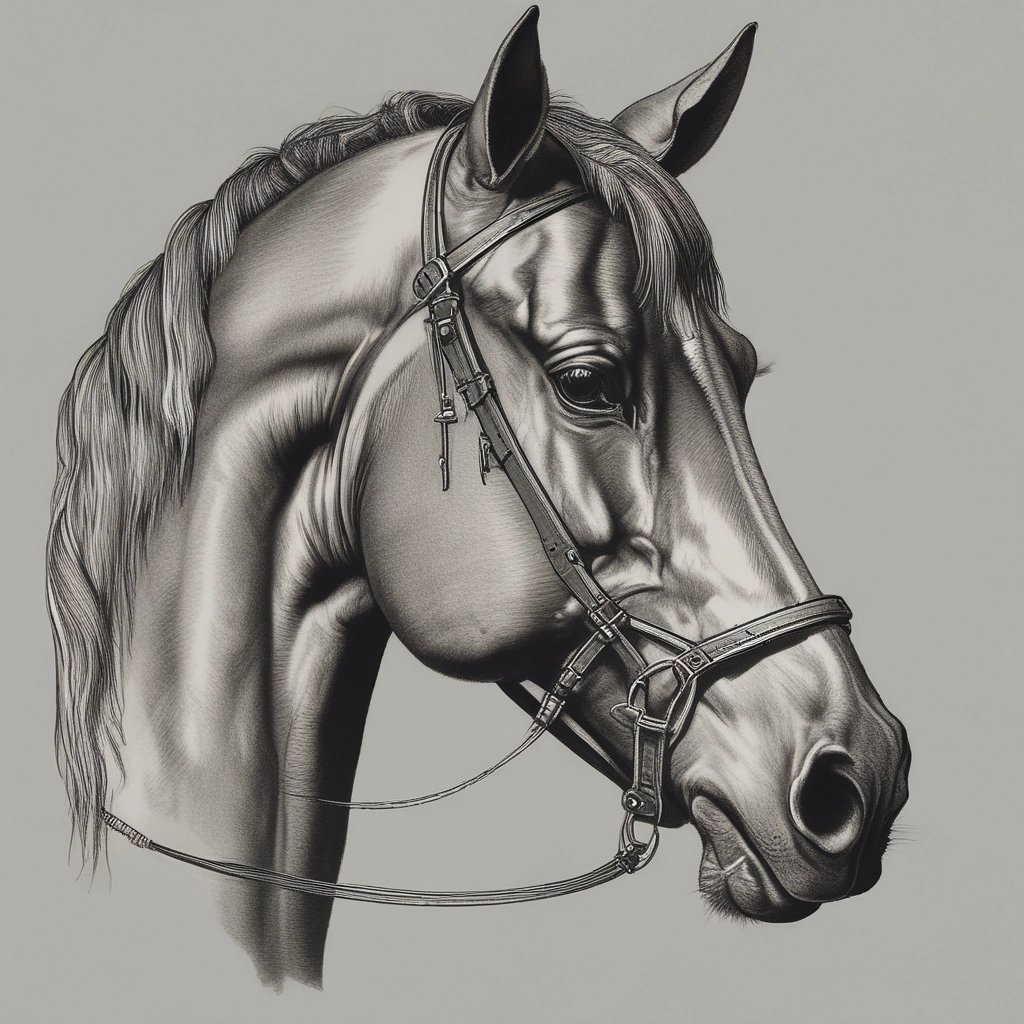
Should the FEI approve the use of bitless bridles for competitive dressage when faced with irrefutable evidence of welfare benefits? The bitless bridle is currently banned in the discipline of FEI dressage, while other organisations like Pony Club Australia have embraced bitless bridles. The question is, why is it such a contentious issue? The use of a bridle with a bit has been considered essential for control in most equine disciplines for a very long time; however, this tradition is increasingly being questioned.
Bits weren’t always part of horse riding. In fact, early riders are believed to have guided horses using bitless forms of control long before metal bits appeared. Archaeological evidence suggests the first bits emerged around 3500–3000 BC, gradually becoming more common as horses were increasingly used in warfare and transport. By around 1300–1200 BC, metal bits had become widespread, offering riders stronger mechanical control in environments where precision and dominance were valued.
Over time, the bitted bridle became normalised across riding cultures, not because it was biologically necessary for the horse, but because it suited how humans were using horses at the time. In many ways, the bit reflects a technological tradition shaped during an era when horses were primarily working assets, long before animal welfare was a meaningful consideration.
Today, however, riding has evolved into a leisure activity and a competitive sport rather than a tool of survival or warfare. That shift invites an important question: if our relationship with horses has changed, should our equipment evolve as well? Rather than relying on control through a metal bit, modern horsemanship increasingly asks whether partnership, communication, and a horse’s willingness to participate might offer a different path forward.
With the world watching, conversations around horse welfare in dressage are becoming harder to ignore. The FEI, like many governing bodies, is navigating growing expectations from both within the sport and the wider public to show how welfare principles translate into everyday practice. Part of that discussion increasingly includes whether there is space to reconsider the role of bitless bridles in competition.
Research explored by Mellor (2022) suggests that behaviours such as resistance in the contact, head shaking, or open-mouth evasions can sometimes indicate discomfort associated with bit pressure. Looking more closely, studies have also highlighted the potential for mouth injuries and longer-term physical strain linked to certain forms of equipment use. At the same time, welfare research continues to show that a more comfortable horse is often a safer and more willing partner, something every rider ultimately strives for.
It’s also worth acknowledging that removing the bit doesn’t mean removing pressure altogether. Bitless bridles work by applying pressure to the horse’s nose, jaw, or poll, so welfare considerations simply shift to a different area of the head. The nasal region is sensitive and composed of relatively delicate bone and soft tissue, meaning that a poor fit or excessive pressure can still cause discomfort if equipment is used without care. In other words, tack alone isn’t a welfare solution. Like any piece of equipment, bitless bridles rely on thoughtful training, correct adjustment, and educated hands to ensure they genuinely support the horse’s comfort and well-being.
To be clear, my daughter and I both ride dressage in a snaffle bit, and from our own experience, it plays an important role in helping us achieve the contact and throughness we’re aiming for. But that doesn’t stop me from reflecting on the growing body of research, or from wondering whether similar outcomes might also be achieved through alternative approaches. I find myself increasingly curious about what this could look like in practice, and I would welcome the opportunity to see riders demonstrate these methods in the competitive arena. Creating space for that exploration could open valuable conversations and offer new perspectives for the wider equestrian community.
Perhaps real progress lies not in replacing tradition, but in expanding choice. Recognising bitless bridles within competition rules — even as one option among many — could signal a willingness to evolve alongside growing knowledge about equine welfare. As public interest in how horses are trained continues to grow, open-minded conversations like these may play an important role in maintaining trust in the sport’s future.
Join the conversation beyond this article. Click the link below and join the ongoing discussion on Threads to be part of the conversation.
The
Equestrian
Manifest
Contact
admin@equestrianmanifest.com
0417 340 409
© 2024. All rights reserved.